





As part of the INMC Gender Equality Lab, the impact of gender stereotypes on the education of young children emerged as a priority issue for teachers from the RIVM cities. This concern extends far beyond the school environment. In the public sphere, the debate remains ongoing: how do gender stereotypes shape children’s behaviour, aspirations, and choices from a very early age?
Indeed, we do not behave in the same way towards boys and girls. Without even realizing it, we interpret their reactions, emotions, and behaviours differently. We also tend to attribute certain qualities to them almost automatically—these are known as gender biases. At first glance, these differences may seem insignificant. However, such subtle biases have very real consequences. They influence children’s self-confidence, interests, and even their educational and career choices.
For more than twenty years, research by Delphine Martinot (Université Clermont Auvergne), among others, has shown that gender stereotypes contribute to the gap between girls and boys in mathematics. Many girls feel less legitimate in scientific subjects, while some boys hesitate to engage in activities perceived as “feminine.” From an early age, children strive to conform to what they believe is expected of them. They internalize these norms as natural, even though they are socially constructed.
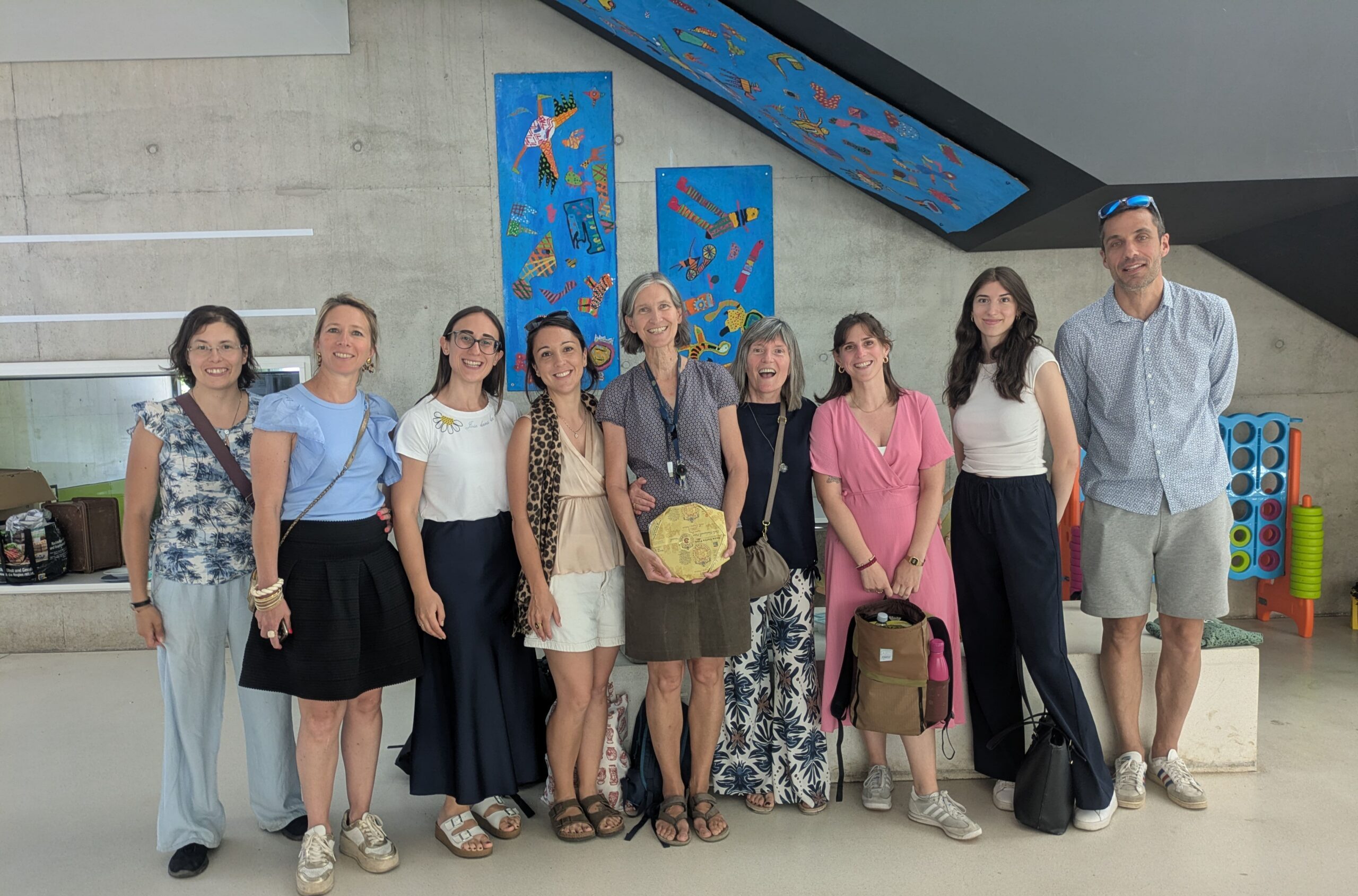
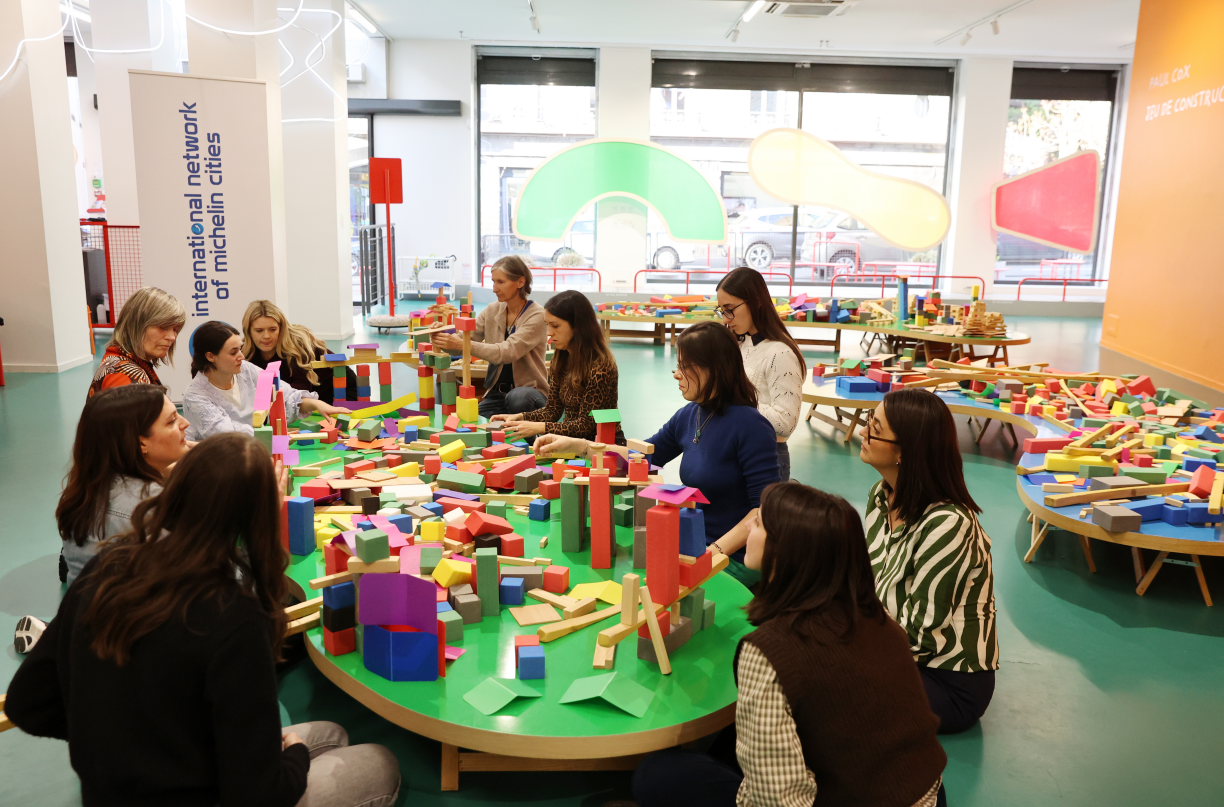
To better understand these mechanisms, a training session was organized in Clermont-Ferrand in March 2026 (click here to learn more). Building on this work, French, Italian, and German teachers later met in Regensburg for a highly informative study visit.
During their stay, participants visited a German Mittelschule (secondary school), where particular emphasis is placed on both student support and practical learning. Drawing on its experience, the school has found that offering workshops such as woodworking and electrical engineering in single-sex groups helps build girls’ confidence. This approach encourages their active participation and motivates them to engage more fully in fields traditionally associated with boys.
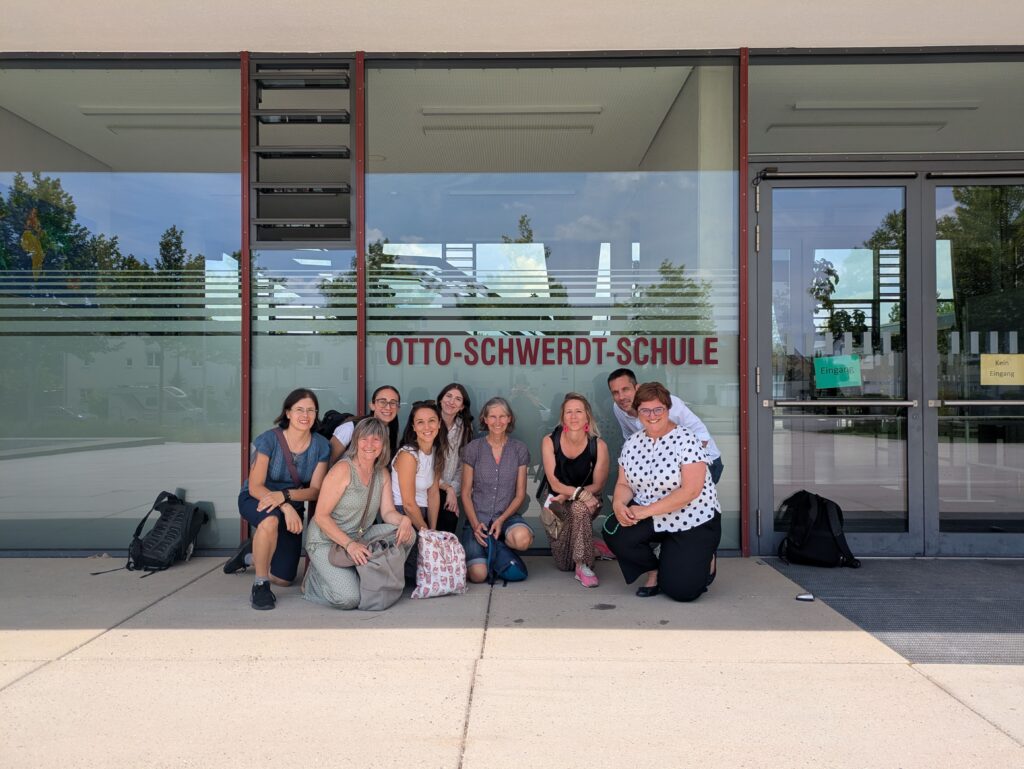
The visit continued at the University of Regensburg, which is strongly committed to promoting gender equality. Although inequalities remain—particularly regarding access to the most senior academic positions—the university has introduced a range of concrete initiatives, including mentoring programmes, training courses, and awareness-raising activities on gender stereotypes, all aimed at fostering more inclusive attitudes.
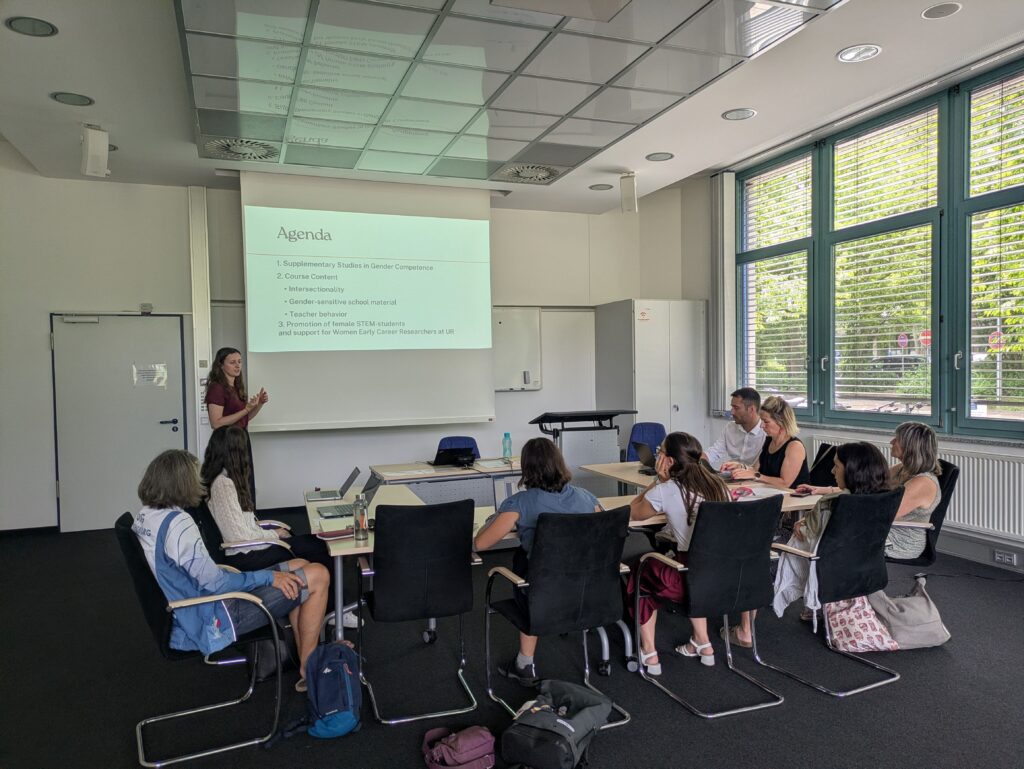
In collaboration with OTH Regensburg (the Technical University of Applied Sciences), the University of Regensburg also offers interdisciplinary Gender Studies modules open to students from all academic disciplines. This initiative helps prepare future professionals to better understand the challenges of equality, diversity, and inclusion.
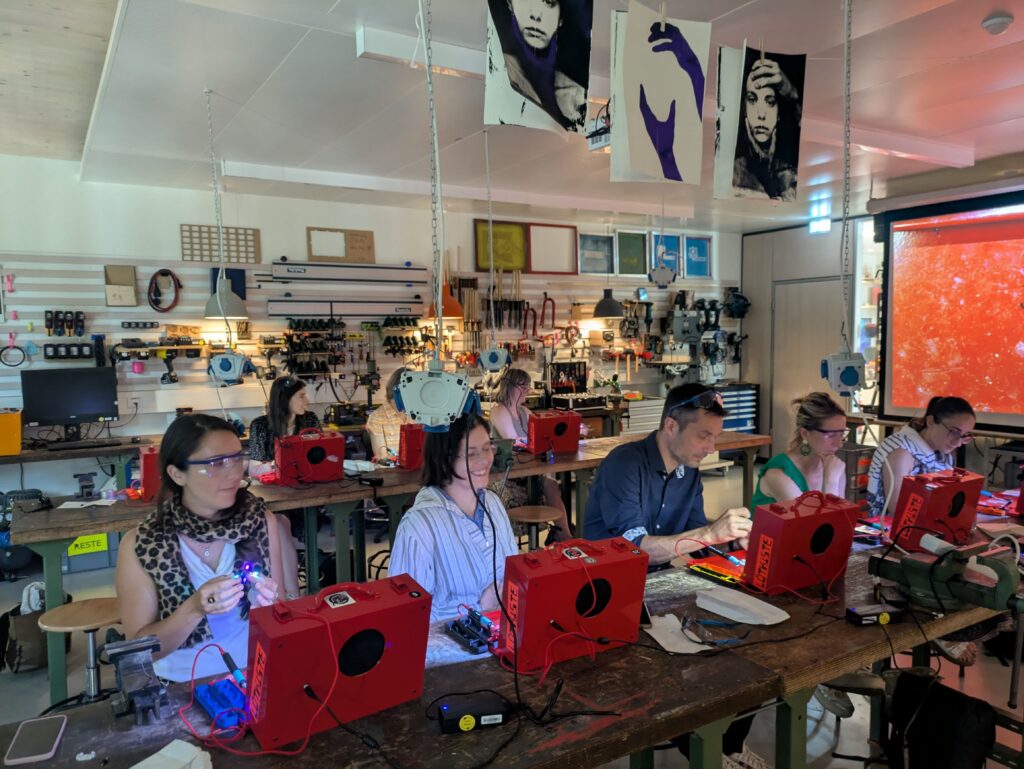
Another highlight of the visit was the discovery of the MINT Lab, a learning space dedicated to science and technology. Here, students learn through creativity and hands-on projects. As a result, girls participate more actively, particularly when activities include an artistic dimension (STE(A)M: Science, Technology, Engineering, Arts, and Mathematics) or are conducted in single-sex groups.
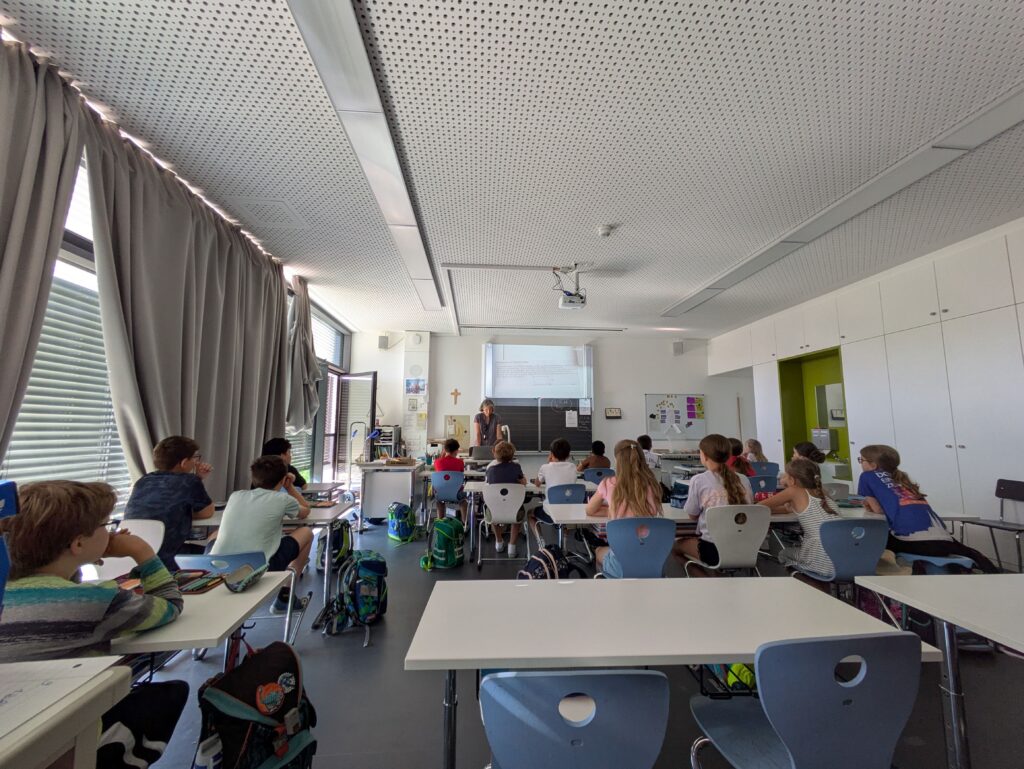
The programme also included the observation of a primary school mathematics lesson, followed by discussions among teachers about their classroom practices. Several joint projects are now being prepared through the eTwinning programme, a digital platform that enables teachers from 45 participating countries to collaborate on virtual exchange projects and strengthen cooperation between schools across the three partner countries.
Finally, a guided tour of Regensburg focusing on historical female figures highlighted an essential point: making women’s contributions visible is also a powerful way to challenge gender stereotypes and provide pupils with diverse and inspiring role models.
This project confirmed one key message: tackling gender stereotypes requires awareness, practical tools, and opportunities to share experiences. It is a collective effort that is essential if every child is to grow up free from limitations imposed by gender stereotypes.