





For several years now, the issue of gender stereotypes in schools has been gradually gaining prominence in educational debates. In scientific subjects in particular, and especially in mathematics, persistent inequalities raise important questions: why do girls, from a very young age, tend to doubt their abilities more? How do social representations influence academic pathways?
These observations, widely documented by research—particularly by the LAPSCO (Laboratory of Social and Cognitive Psychology) at Clermont Auvergne University, including the work of Delphine Martinot—highlight the impact of stereotypes on learning, self-confidence, and educational choices. They also emphasize a key point: these mechanisms take root very early, starting in primary school.
In response to these challenges, initiatives are being developed to support education professionals. It is within this context that the International Network of Michelin Cities (INMC), in collaboration with the Clermont-Ferrand education authority and in connection with Clermont Auvergne University, organized an international professional training program dedicated to combating gender stereotypes, particularly in the teaching of mathematics and science.
© Ville de Clermont-Ferrand – Sandrine CHAPUIS
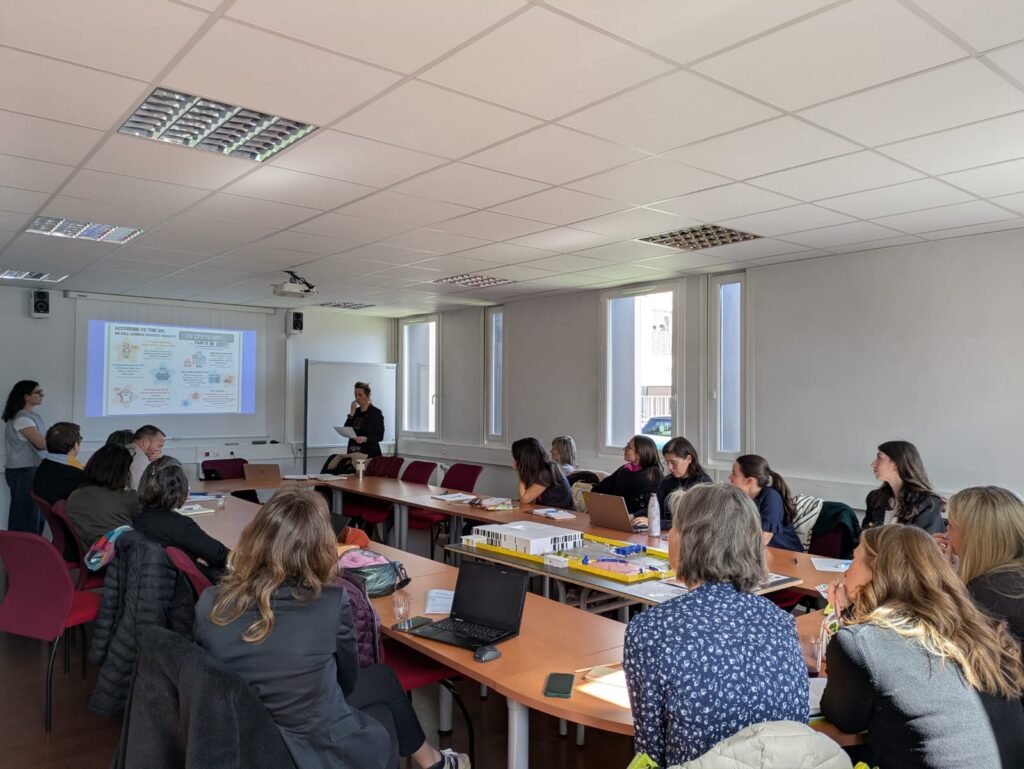
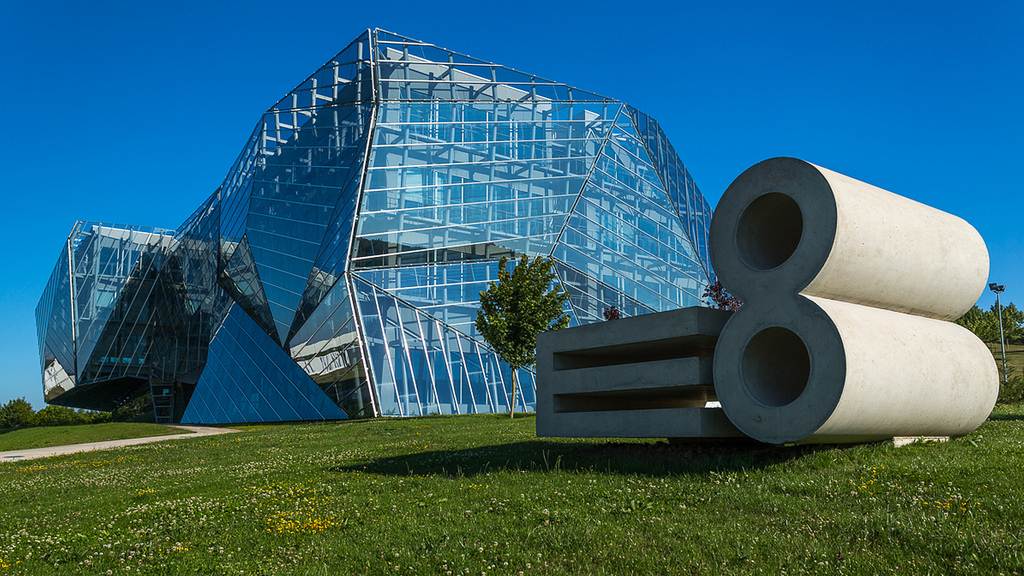
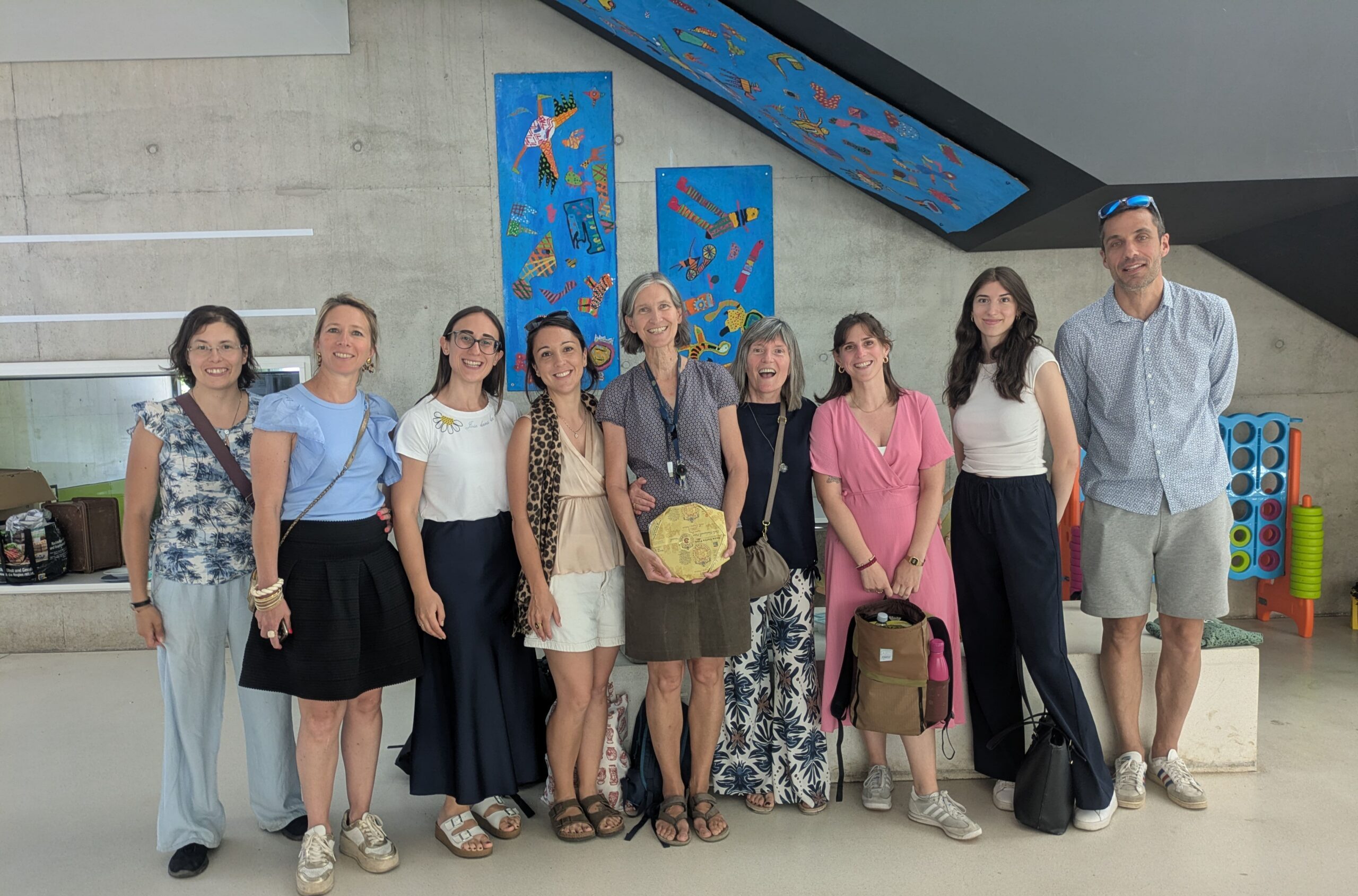
From March 9 to 12, 2026, the city of Clermont-Ferrand hosted primary school teachers from Cuneo (Italy), Salford (England), Regensburg (Germany), as well as from Clermont-Ferrand itself. Coming from diverse schools and educational contexts, they took part in a three-day training program designed to encourage the exchange of practices, collective reflection, and the adoption of practical tools.
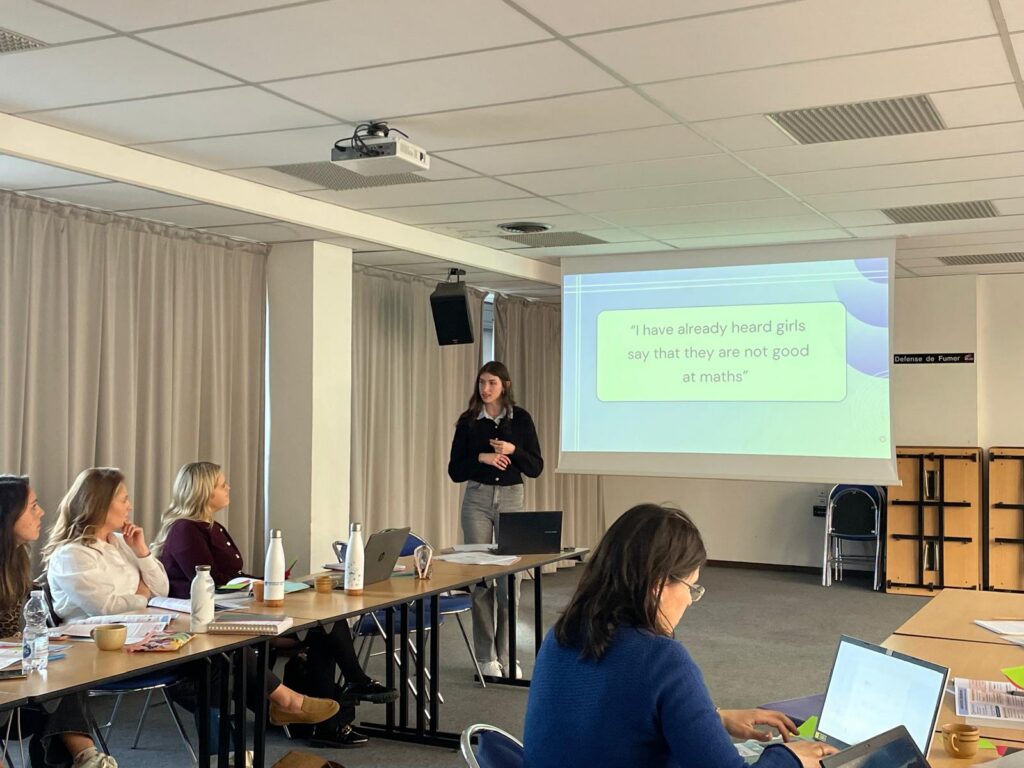
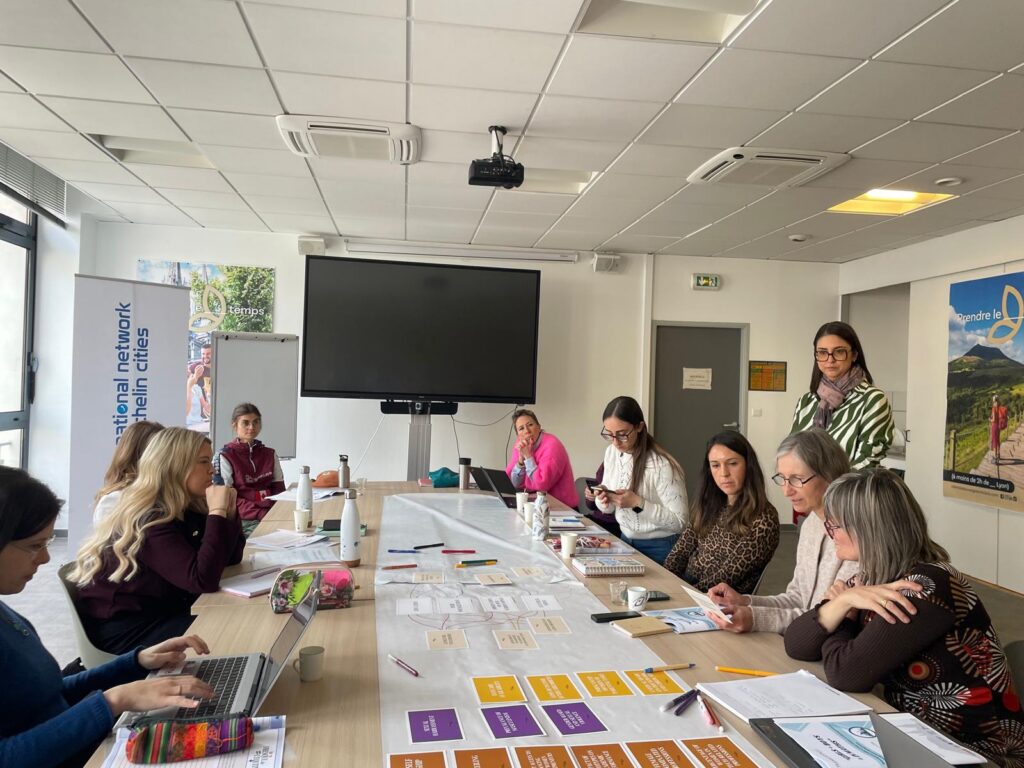
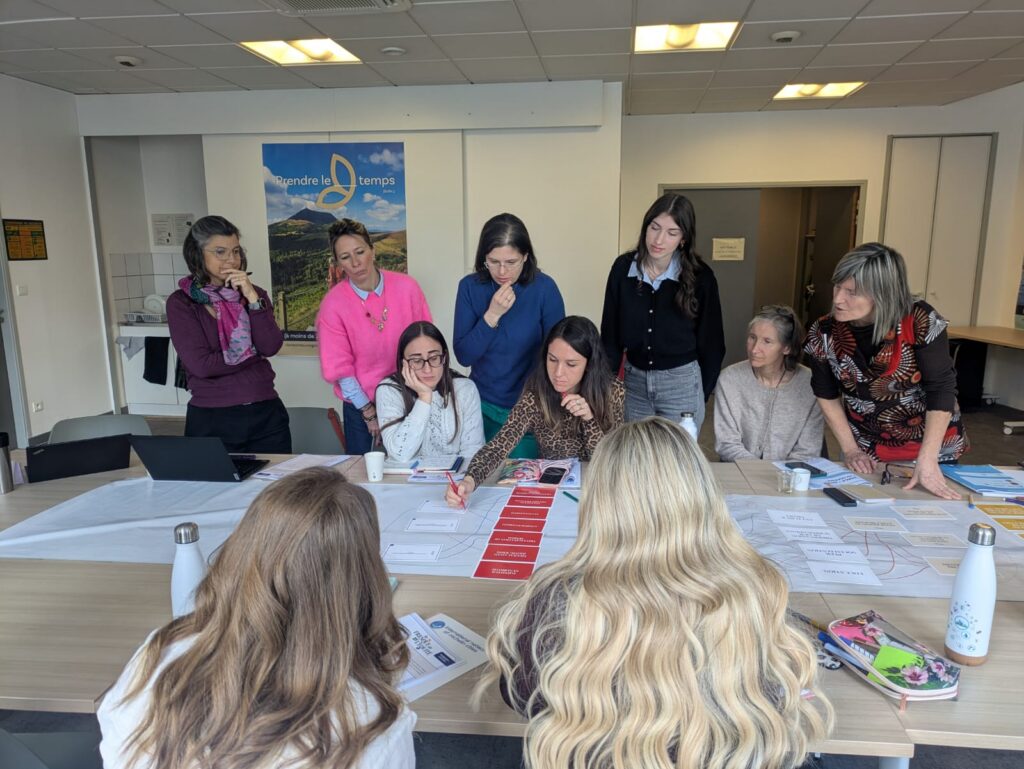
From the very first activities, participants were invited to question their own assumptions. An “Equity Fresque” workshop provided a collaborative way to explore the mechanisms behind gender inequalities. This interactive approach laid the groundwork for deeper engagement, combining scientific input with practical exercises.
Throughout the workshops, teachers explored pedagogical strategies for creating more inclusive classroom environments. A theoretical presentation established the framework by demonstrating the early emergence of gender stereotypes and their impact on learning, perceived competence, and educational trajectories. This was followed by an interactive workshop, offering participants the opportunity to apply the concepts and tools presented by working on real classroom scenarios.
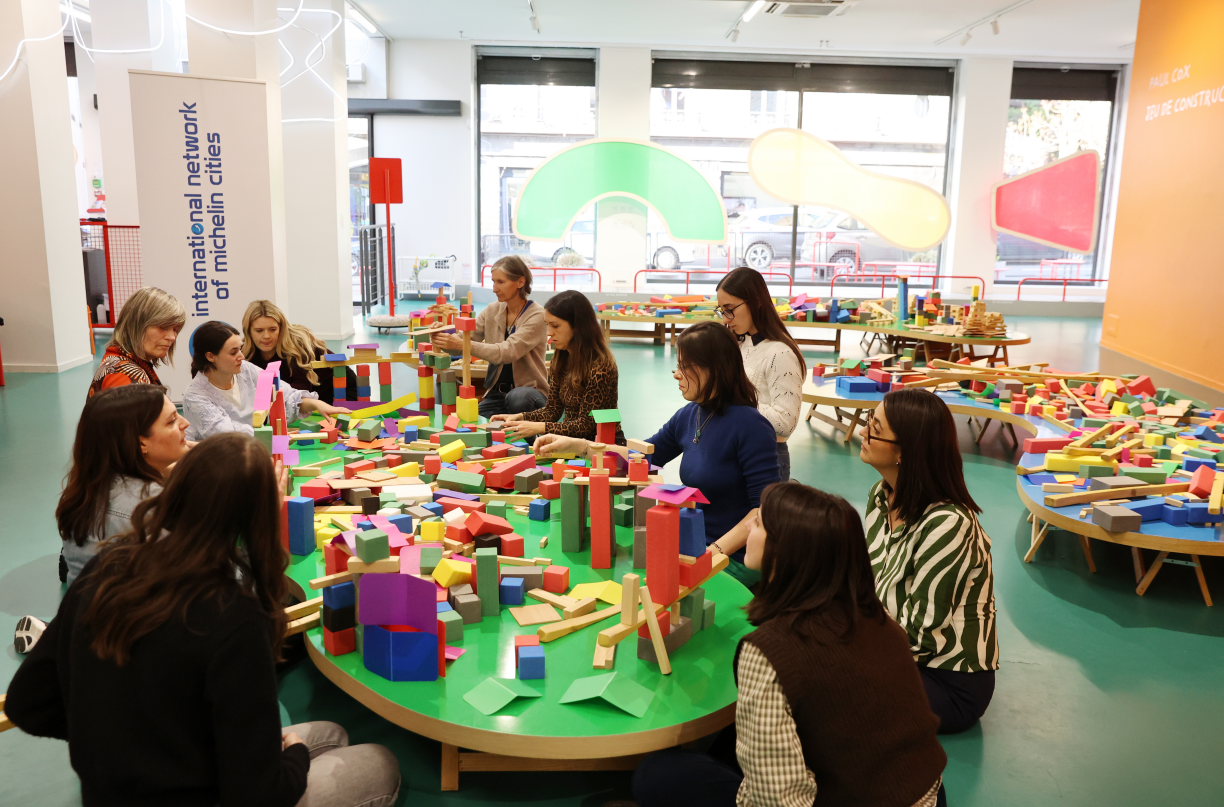
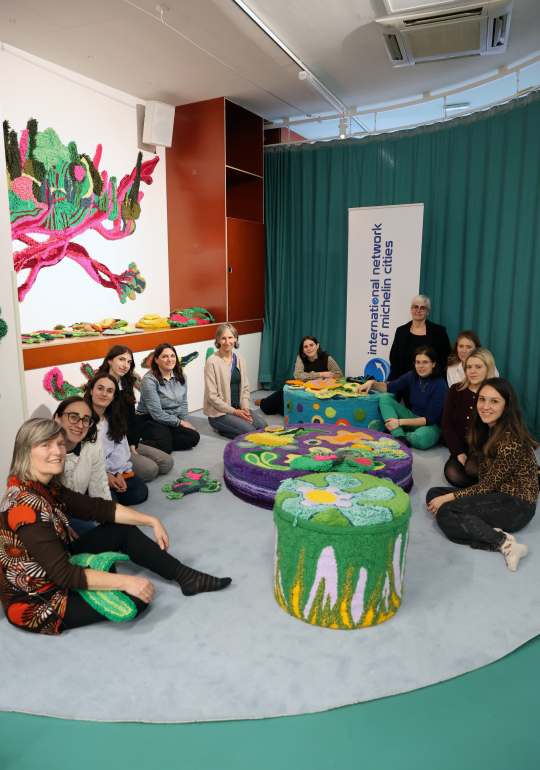
A visit to “mille formes,” an arts initiation center based on experimentation and creativity, enriched this reflection by showing how alternative learning environments can help deconstruct stereotypes. A specific session also highlighted the role of language in reproducing gender bias, proposing simple strategies for more inclusive and equitable use of language.
At the same time, the training incorporated field observations: an immersion at Pierre Mendès France primary school allowed participants to observe concrete practices promoting gender equality, while a visit to Saint-Gervais-d’Auvergne secondary school, combined with a presentation on academic and national mathematics assessments, provided further insight into how these issues continue at the secondary level.
This project highlights that gender inequalities are constructed from a very early age, often invisibly, but that they can also be dismantled through awareness and collective action. Teachers play a crucial role here, as students’ perceptions and perspectives are shaped very early in the classroom.
Next steps
Participants provided positive feedback on the training, and some have already implemented awareness-raising activities in their classrooms. Together, the Italian, French, German, and English teachers will create a pedagogical booklet for schools within the INMC. Its aim will be to provide both theoretical and practical tools to help other teachers combat gender inequalities in their respective schools.
From June 22 to 26, 2026, several teachers from the international group will meet in Regensburg for a study visit. This stay, made possible through Erasmus+ grants and financial support from the INMC, will offer an inspiring program. Planned activities include visits to two schools, discovery of the Rubina Haus—an innovative center introducing STEM subjects—and a meeting with the University of Regensburg, a pioneer in integrating gender studies into its academic programs.
Finally, participants will engage with Bavarian educational authorities, complementing the study visit with an institutional overview of local education policies. This shared working time will also be an opportunity to finalize the project’s pedagogical booklet.
An official presentation of the booklet is scheduled in Cuneo during the 5th INMC Meetings, from October 5 to 9, 2026.
© Ville de Clermont-Ferrand – Sandrine CHAPUIS